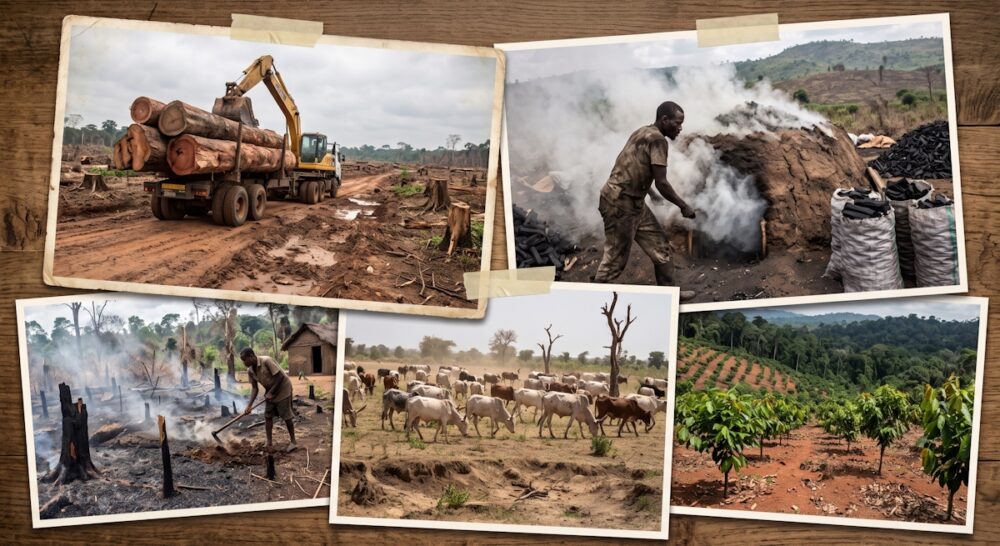
Despite a recent slowdown in its rate of deforestation, Africa’s forests face the most acute and complex threats of any continent. These distinct drivers demand genuine contextualisation if workable solutions are to be found. Sadly, public discourse around Africa’s forest losses remains clouded by emotional appeals and ideological blind spots, leaving the real root causes unaddressed. So, let’s see if we can cut through the noise with some proper context.
- Overview: How Much Forest Has Africa Lost?
- Africa’s Forestry Landscape in 2025
- Engines of Eradication: What Is Driving Africa’s Forest Loss?
- Global Supply Chains: Foreign Footprints in African Deforestation
- Top 10 African Countries with Highest Net Forest Decrease
- Outliers: African Countries with Net Increases in Forest Cover
- The Canopy and the Crowd: Rethinking Africa’s Ecological Future
Overview: How Much Forest Has Africa Lost?
If Africa’s forests were a sovereign nation, their vanishing over the past three decades would amount to one of the largest territorial annexations in modern history. Since 1990, the continent has suffered a net loss of roughly 116m hectares of forest cover – an area larger than the entire landmass of Colombia or Ethiopia.
Africa has lost 15% of its forests since 1990.
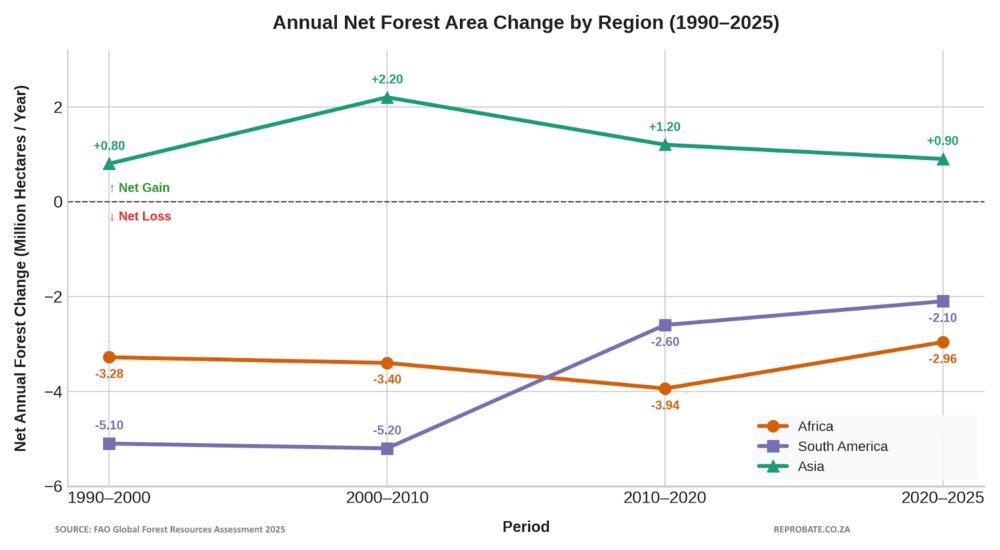
Devastatingly, data for the 1990 – 2020 period shows that deforestation in Africa has accelerated with each passing decade, making it the continent with the highest annual rate of net forest loss. In contrast, deforestation rates in South America nearly halved while Asia experienced net gains in forest cover.
Africa accounted for 70% of net forest loss worldwide between 2015 and 2025.
According to the UN Food and Agriculture Organization’s 2025 Global Forest Resources Assessment, Africa shed its trees at an average rate of ~40,000 square kilometres per year during the hardest-hit decade: 2010 to 2020. To put that statistic into perspective, the continent effectively erased a Switzerland-sized forest every twelve months.
Yet, to limit this arboreal haemorrhage only to deforestation is to miss the true extent of the wound. As the FAO emphasises, it’s important to distinguish between true, permanent deforestation and forest degradation.
Deforestation represents a point of no return: the permanent conversion of forest to non-forest land use, predominantly agricultural fields, infrastructure, or urban sprawl. These net decreases in national forest cover amount to a structural land-use change.
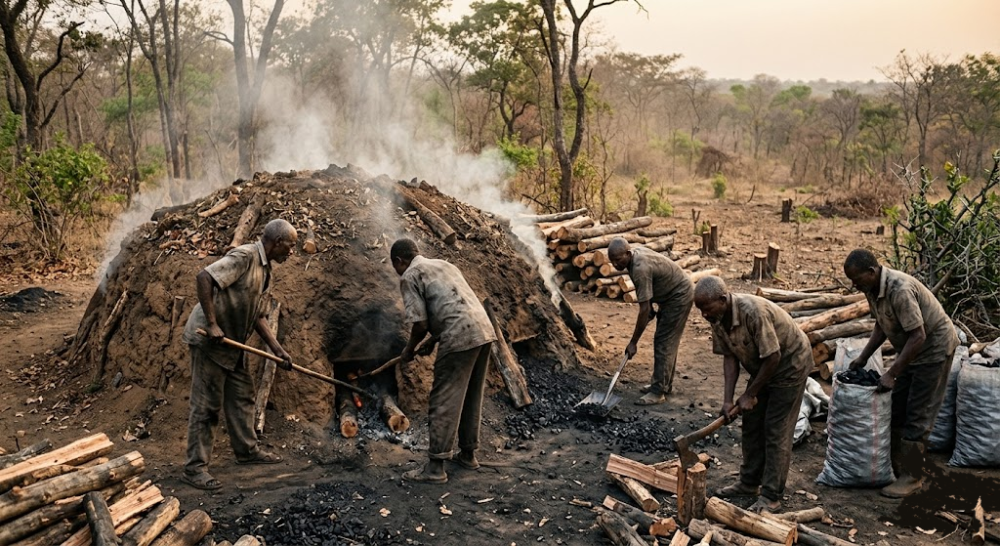
Degradation, by contrast, is an insidious thinning of the canopy. The forest remains legally classified as forest land, but its biomass, biodiversity, and carbon-sequestration capacity are slowly bled out by selective logging, fuelwood gathering, and charcoal burning. While degradation leaves the trees standing on maps, it often serves as the gateway drug to complete clearance.
Africa’s Forestry Landscape in 2025
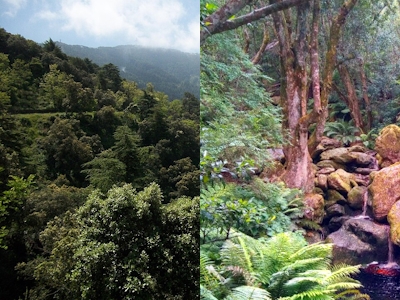
Despite three decades of severe losses, Africa remains home to the world’s second-largest block of tropical rainforest after South America, with all types of forest covering approximately 662.6m hectares as of 2025. The continent’s ecological tapestry remains vast and varied — for now:
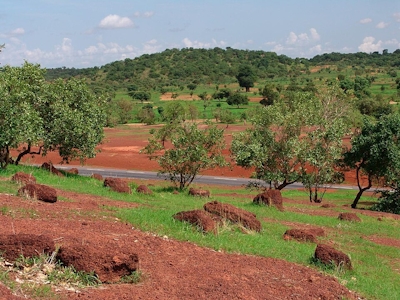
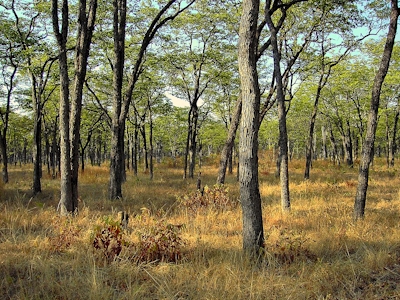
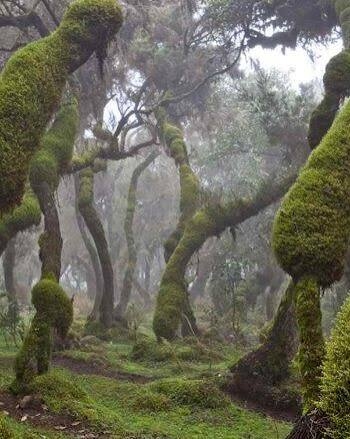
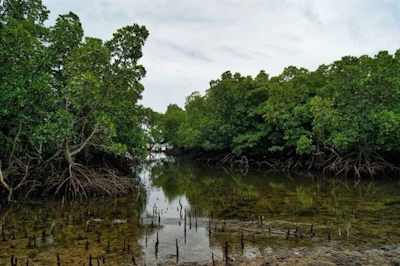
Africa’s top 10 forest holders
| Country | Forest Area (ha) | Notable Tree Species |
|---|---|---|
| DRC | ~122.8m ha | Okoumé, Sapele, Wenge |
| Angola | ~64.9m ha | Brachystegia (Miombo), Baobab |
| Tanzania | ~44.3m ha | African Blackwood, Miombo |
| Zambia | ~44.2m ha | Musasa, Mpundu |
| Mozambique | ~36.0m ha | Pod Mahogany, Ironwood |
| Gabon | ~23.5m ha | Okoumé, Kevazingo |
| Central African Republic | ~22.2m ha | Ayous, Sapele |
| Republic of Congo | ~21.9m ha | Sapelli, Mahogany |
| Nigeria | ~21.1m ha | Red Ironwood, Mahogany |
| Cameroon | ~20.1m ha | Azobé, Ebony |
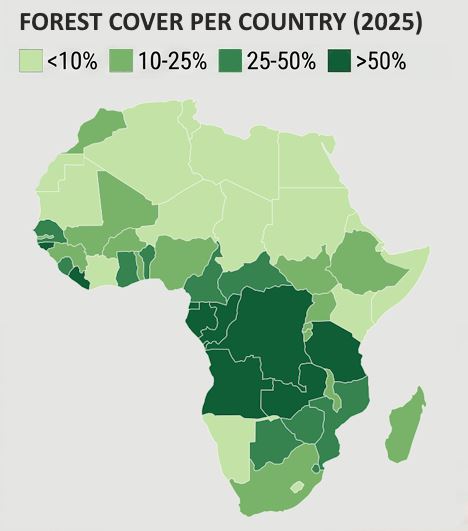
When measured by percentage of national land area covered by forest, the continent’s top guardians look markedly different: Gabon leads with over 90% forest cover, followed closely by Equatorial Guinea (~87%), Liberia (~79%), Seychelles (~73%), Guinea-Bissau (~70%), Republic of Congo (~64%), Zambia (~60%), Democratic Republic of the Congo (~55%), São Tomé & Príncipe (~54%), and Angola (~53%).
Conversely, the past 35 years have dealt catastrophic blows to West and East Africa. Countries like Côte d’Ivoire, Nigeria, Benin, and Togo have recorded the highest percentage losses of their original forest heritage, driven by historic timber rushes and cocoa plantation expansions. Over the past decade, the frontier of accelerated clearance has shifted into Central and Southern Africa’s Miombo woodlands and the porous borders of the Congo Basin, where demographic pressures and commodity demand have collided with fragile governance.
Engines of Eradication: What Is Driving Africa’s Forest Loss?
Unlike Latin America or Southeast Asia, where gigantic corporate cattle ranches or industrial palm oil conglomerates clear whole horizons in single sweeps, Africa’s forest loss is driven by a complex matrix of smallholder survival, local energy demand, and fragmented commercial exploitation.
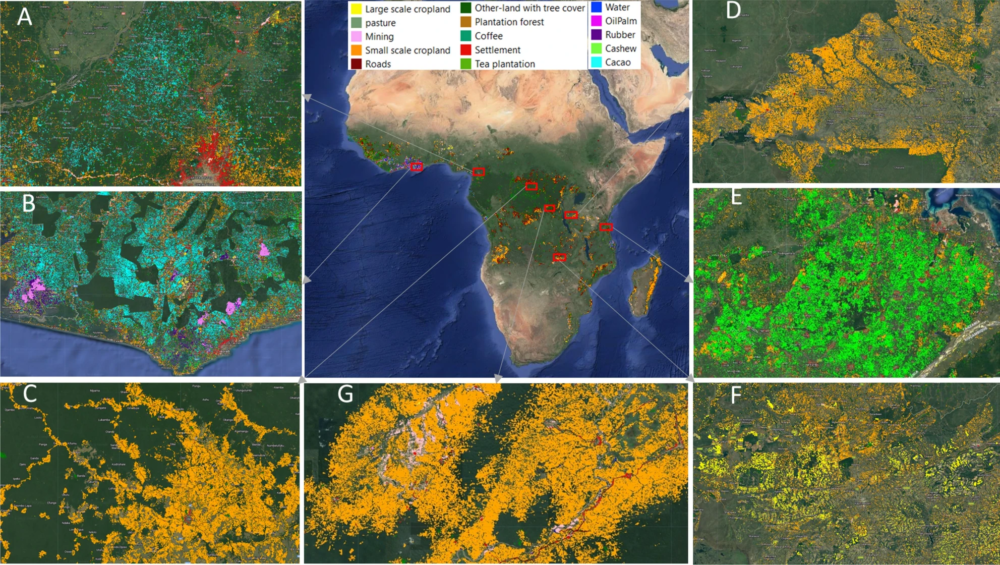
A landmark 2024 satellite mapping study tracking African forest dynamics confirms that drivers frequently overlap in a predictable sequence: roads open the forest, charcoal burners harvest the valuable timber, and smallholders burn what remains for cassava and maize.
1. Small-Scale Farming & Subsistence Agriculture (~85% of Deforestation)
Smallholder agriculture (primarily slash-and-burn farming and shifting cultivation) is the undisputed leading engine of permanent land conversion across sub-Saharan Africa. Families clear patches of woodland to cultivate staple food crops such as maize, cassava, yams, and sorghum, or to pasture cattle. In ecologically sensitive zones like the primary rainforests of the Congo Basin, small-scale farming accounts for an astonishing 90%-plus of all direct forest loss.
2. Fuelwood & Charcoal Production (~5% Deforestation / ~80% Degradation)
While responsible for a modest share of direct, permanent land conversion, wood-energy extraction is the overwhelmingly dominant driver of forest degradation across the continent. Over-reliance on charcoal for urban cooking and firewood for rural heating gradually hollows out healthy forests, stripping canopy density and biomass year after year until the weakened ecosystem succumbs to full agricultural clearance.
- Zambia serves as a stark case study: charcoal production for urban centres like Lusaka destroys roughly 300,000 hectares of Miombo woodland annually.
- Malawi & Zimbabwe suffer severe localised degradation as vast tracts of native trees are felled not only for domestic hearths but to fuel the energy-intensive flue-curing of commercial tobacco crops.
3. Commercial Agriculture (~5% of Deforestation)
Industrial agriculture accounts for roughly 70% of deforestation in Latin America, but in Africa it historically played second fiddle to smallholders. That equilibrium is rapidly shifting. Mid-to-large-scale commercial plantations, expanding aggressively across the humid jungle belts of West and Central Africa, are devouring primary forests to satisfy global appetites for cocoa, oil palm, rubber, and coffee.
4. Infrastructure, Urban Expansion & Mining (~3% of Deforestation)
These activities act as critical catalyst drivers. A mine or highway does not merely clear its immediate footprint; it slices open previously impenetrable primary wilderness, inviting secondary waves of charcoal harvesters, land speculators, and smallholders.
- The DRC’s Energy Transition Dilemma: As global demand for green energy metals explodes, the DRC’s vast cobalt and copper belts have become mining epicentres. For every single hectare of active mineral concession opened, dozens of surrounding hectares of forest are cleared to build transport corridors, processing infrastructure, and settlements for worker populations.
- Ghana: Artisanal and industrial gold mining (galamsey) has stripped thousands of hectares of forest reserves, polluting river systems and severely fragmenting contiguous habitats.
5. Commercial Logging & Timber Extraction (~2% of Deforestation)
Industrial and illegal timber extraction primarily drives forest degradation rather than outright land-use change. Selective logging harvests high-value hardwood species, leaving the remaining forest standing, albeit ecologically compromised. However, when regulatory governance is weak, logging haul-roads serve as entry arteries for agricultural encroachment. Target species facing severe endangerment from selective logging include:
- African Rosewood (Pterocarpus erinaceus): Heavily targeted across West Africa’s savanna woodlands.
- African Mahogany (Khaya ivorensis) & Sapele (Entandrophragma cylindricum): Highly prized Central African hardwoods.
- Ebony (Diospyros crassiflora): Harvested under intense demand for high-end furniture and musical instruments.
Global Supply Chains: The Foreign Footprint in African Deforestation
A growing portion of Africa’s forest loss is deeply entwined with global supply chains, international trade routes, and foreign capital flows:
| FOREIGN ACTOR | Strategic Role & Environmental Impact |
|---|---|
| CHINA | Largest global importer of African raw logs and sawn timber. Major financier of roads, railways, and mining concessions that slice into pristine primary forests across Central Africa. |
| EUROPE | Multinational corporations in countries like France, Belgium, and the UK control major industrial rubber, palm oil, and cocoa supply chains that have historically impacted forests in West and Central Africa. |
| GLOBAL AGRIBUSINESS | Conglomerates in Singapore, Malaysia, and the US have made aggressive investments in timber concessions, commercial logging, and industrial monocultures (oil palm and rubber) across Africa. |
Interestingly, the impact of so-called land grabs by Gulf states like the UAE and Saudi Arabia has been somewhat overstated. Independent research has shown many Gulf investors pivoted away from direct farming toward acquiring processing facilities, trading logistics, and minority stakes in existing agribusinesses due to political and financial risk.
Top 10 African Countries with Highest Net Forest Decrease
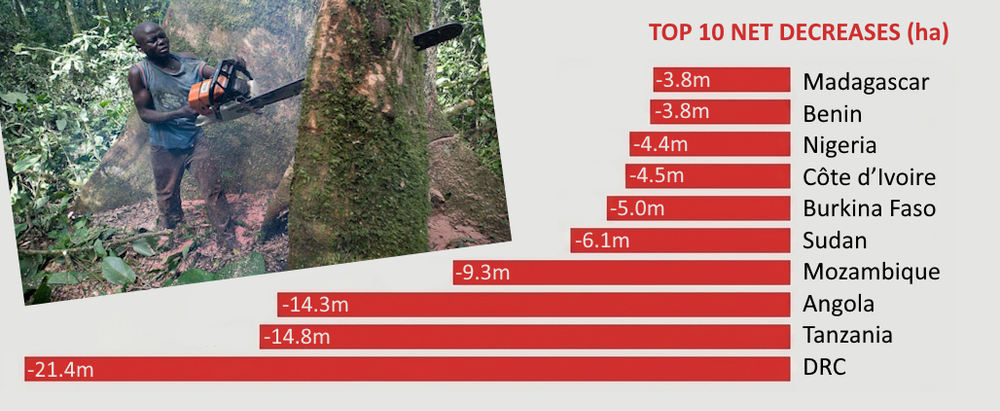
Between 1990 and 2025, ten African nations accounted for the lion’s share of the continent’s 116m-hectare net forest loss. Each faces distinct ecological threats requiring tailored intervention strategies.
| top drivers | forest type | short-term solutions | long-term solutions |
|---|---|---|---|
| DR Congo (-21.4m ha) | |||
| Slash-and-burn subsistence farming, urban charcoal demand (Kinshasa, Lubumbashi), and infrastructure expansion surrounding cobalt/copper mines. | Dense lowland tropical rainforest; Okoumé, Sapele, Wenge. | Rapid deployment of LPG and clean cookstoves in urban centres to suppress charcoal demand; strict satellite surveillance of mining road corridors. | Formalisation of community forest tenure systems and international carbon-credit financing via jurisdictional REDD+ programs to compensate land conservation. |
| Tanzania (-14.8m ha) | |||
| Shifting agriculture, woodfuel collection, charcoal production, and clearing for cattle grazing. | Eastern African coastal forests and dry Miombo woodlands; African Blackwood, Msasa. | Enforce sustainable charcoal licensing and promote solar-biomass hybrid microgrids. | Expand Joint Forest Management agreements with rural villages to grant financial incentives for woodland protection. |
| Angola (-14.3m ha) | |||
| Post-civil war resettlement, uncontrolled charcoal extraction, smallholder agricultural clearing along major transport axes. | Extensive inland Miombo and Mopane woodlands; Baobab, Pod Mahogany. | Establish strict regulatory checkpoints along provincial trade corridors targeting illegal charcoal transit. | Promote commercial agroforestry initiatives focusing on resilient dryland crops to settle shifting farming populations. |
| Mozambique (-9.3m ha) | |||
| Unregulated timber extraction, slash-and-burn farming, high urban reliance on charcoal, and commercial agricultural expansion. | Coastal mangroves and dry Miombo ecosystems; Ironwood, African Teak. | Strengthen maritime and border timber export inspections to intercept contraband logs bound for Asia. | Institutionalise mangrove restoration projects linked to global blue-carbon credit markets. |
| Sudan (-6.1m ha) | |||
| Charcoal production, agricultural clearing for sorghum/millet, conflict-driven displacement, and overgrazing | Arid and semi-arid Sudano-Sahelian dry woodlands; Gum Arabic tree. | Emergency distribution of alternative fuel sources for displaced-persons camps. | Sustainable commercialisation of Gum Arabic tapping to give local communities a financial stake in keeping Acacia trees standing. |
| Burkina Faso (-5.0m ha) | |||
| Fuelwood gatherers, livestock overgrazing, encroaching cash-crop farming (cotton), and gold mining expansion. | Dry savanna woodlands; Shea tree, Baobab. | Scale up community-managed Farmer-Managed Natural Regeneration applications. | Develop high-value global supply chains for non-timber forest products like Shea butter to incentivise conservation. |
| Côte d’Ivoire (-4.5m ha) | |||
| Historical and ongoing clearing for smallholder and commercial cocoa plantations, timber logging. | Upper Guinean tropical moist forest; Iroko, Framiré, Mahogany. | Strictly enforce national park boundary protections and clear illegal cocoa farms from protected reserves. | Transition the national cocoa sector to shade-grown agroforestry models compliant with EU deforestation regulations |
| Nigeria (-4.4m ha) | |||
| Explosive population growth driving agricultural expansion, fuelwood logging, urban encroachment, and illegal timber trade. | Lowland rainforests, freshwater swamp forests, mangroves; Red Ironwood, Obeche. | Deploy digital satellite monitoring systems to curb rampant illegal logging within state forest reserves. | Aggressive nationwide afforestation campaigns combined with family-planning and rural electrification programs. |
| Benin (-3.8m ha) | |||
| Cotton cultivation expansion, charcoal production, slash-and-burn farming, and wood export. | Guinean-Congolian mosaic and dry savanna forests; Isoberlinia, African Rosewood. | Implement seasonal bans on charcoal burning during dry months; enforce strict export controls on rosewood. | Diversify rural agricultural incomes away from land-intensive cotton toward sustainable cashew and oil palm agroforestry. |
| Madagascar (-3.8m ha) | |||
| Traditional tavy (slash-and-burn rice farming), commercial rosewood and ebony logging, charcoal production. | Unique eastern tropical rainforests and southern spiny thickets; Endemic Rosewood, Baobab species. | Deploy eco-guards to defend remaining endemic forest fragments from tavy burning. | Promote sustainable eco-tourism revenue-sharing models and climate-resilient irrigated paddy rice farming to end shifting cultivation. |
The Outliers: Top 10 African Countries with Net Increases in Forest Cover
While the macro picture remains grim, ten African nations bucked the continent-wide trend by recording net expansions in forest cover between 1990 and 2025:
| country | net increase (ha) | primary driver |
|---|---|---|
| South Africa | +3,100,000 ha | Commercial timber & bush encroachment |
| Ghana | +1,300,000 ha | Agroforestry & cocoa plantation restoration |
| Rwanda | +198,000 ha | State-led afforestation |
| Kenya | +173,000 ha | Commercial forestry & tree-growing campaigns |
| Mauritania | +92,000 ha | Great Green Wall greening |
| South Sudan | +56,000 ha | Woodland recovery |
| Tunisia | +43,000 ha | Reforestation schemes |
| Cabo Verde | +17,000 ha | Terraced hill planting |
| Burundi | +4,000 ha | Micro-afforestation |
| Botswana | +2,000 ha | Protected area gains |
do these modest gains deserve celebration?
Before celebrating an African green revival, a dose of analytical rigour is required. First, the total combined net gain of these ten nations (~4.9m ha) represents a drop in the ocean compared to the 116m hectares lost continent-wide. Second, a crucial qualitative question must be asked: are these gains in pristine, biodiversity-rich indigenous forests, or are they foreign tree monocultures and invasive scrubland?
The continental leader in reforestation may provide some clues. South Africa stands out as the single largest contributor to positive forest cover growth in Africa, adding 3.1 million hectares since 1990. However, unpacking South Africa’s expansion reveals three distinct mechanisms:
- Commercial Timber Plantations: Large-scale commercial forestry companies have planted fast-growing, exotic species, primarily Pinus (pine), Eucalyptus (gum), and Acacia (wattle), to supply the nation’s pulp, paper, and timber industries. While economically lucrative, these monocultures offer far less ecological biodiversity than native forests and act as heavy consumers of groundwater.
- Woody / Bush Encroachment: In dry savannas and open grasslands, dense native shrubs and woody plants are choking out traditional open ecosystems. This phenomenon is propelled by three factors:
- Elevated atmospheric CO₂ levels: Higher carbon concentrations act as a fertiliser, favoring deep-rooted woody plants over native C4 grasses.
- Livestock Overgrazing: Excessive grazing strips grass cover, suppressing the natural fires that historically kept woody saplings from taking over grasslands.
- Altered Fire Regimes: Suppression of natural landscape fires allows dense thickets to mature unchecked.
- Land Abandonment & Natural Regeneration: In the sub-humid eastern and northeastern provinces — Mpumalanga, KwaZulu-Natal, the Eastern Cape, and Limpopo — marginal agricultural lands have been abandoned due to urban migration. Secondary brush and indigenous trees have naturally re-vegetated these former fields.
The Canopy and the Crowd: Rethinking Africa’s Ecological Future
Africa’s forest crisis cannot be solved by applying environmental playbooks written in Brasilia or Jakarta. The continental dilemma is uniquely bound up with demographic momentum and structural poverty.
By 2050, Africa’s population will double to roughly 2.5 billion people.
Attempting to lock away forests behind fences while hundreds of millions of households rely on wood fuel for their next meal and slash-and-burn agriculture for their basic livelihood is a recipe for governance failure.
Here, South Africa’s broader economic architecture, specifically its commercial agricultural sector, offers a compelling macro lesson for the rest of the continent. South Africa ranks as the most food-secure nation in sub-Saharan Africa, not because it cleared all its wilderness, but because it modernised its agricultural production. By achieving extremely high crop yields per hectare through commercial technology, capital investment, and infrastructure, South Africa feeds its population without needing to continually clear pristine land.
Expanding agricultural land productivity across sub-Saharan Africa is fundamentally an environmental imperative: doubling smallholder crop yields per hectare is the single most effective way to spare the remaining Congo Basin and Miombo woodlands from the plough.
Technology, too, is shifting the odds. High-resolution satellite radar capable of penetrating cloud cover, paired with real-time AI change-detection algorithms, now allows forest authorities to pinpoint illegal logging roads and agricultural clearings within hours rather than months. Digital supply-chain tracking, spurred by regulations like the EU Deforestation Regulation, is forcing cocoa and timber exporters to geo-tag every bag of beans and every log back to the exact farm plot where it was harvested.
But ultimately, saving Africa’s forests requires addressing the continent’s underlying energy poverty and land governance vacuums. Continent-wide, high-impact solutions must prioritise:
- The Clean Cooking Transition: Subsidising LPG and electric cooking technology (supported by clean energy investment) to break urban reliance on charcoal.
- Securing Land Tenure: Granting rural communities legal title over their traditional forests so they can commercialise carbon credits and eco-tourism rather than sell timber cheap.
- Yield-Driven Agrarian Reform: Investing heavily in smallholder fertiliser access, irrigation, and high-yield seeds to end the vicious cycle of slash-and-burn expansion.
Without these systemic shifts, Africa’s forests will continue to be consumed by the urgent imperatives of human survival.